Enhance Your Outdoors Through Experienced Landscaping Services
Revamping exterior areas with expert landscaping solutions can significantly improve aesthetic quality and practical benefit. Professional designers examine individual properties, modifying plans to accommodate specific climates and soil conditions. They introduce a selection of plants and hardscaping elements to establish pleasant exterior environments. This deliberate strategy raises home worth and also minimizes care requirements. Identifying the central elements of quality landscape design is necessary for house owners aiming to improve their outdoor experience. What actions should they take?
The Advantages of Professional Landscaping Services
Professional landscape design solutions transform outdoor spaces into practical and visually attractive environments. These services offer a range of benefits that go beyond mere appearance. One important benefit is the improvement of property value; well-designed landscapes can notably boost a home's market appeal. Additionally, professional landscapers have the expertise to select suitable vegetation and resources tailored to specific climates and soil types, ensuring sustainability and longevity.
In addition, these services can better outdoor functionality, providing spaces for relaxation, social gatherings, or recreation. By deliberately arranging layouts, landscape specialists enhance the use of space while including elements like pathways, paved areas, and cultivated spaces.
Furthermore, hiring specialists can preserve homeowners time and effort, alleviating the load of coordination and preservation. This enables individuals to delight in their landscape areas without the worry of regular maintenance. Ultimately, skilled landscape companies establish environments that enhance both the beauty and usability of outdoor areas.
Necessary Components for a Thriving Landscape Design
A thriving outdoor space design is defined by multiple important elements that contribute to both practicality and aesthetic beauty. First, a well-thought-out layout optimizes space, guaranteeing ease of navigation while creating distinct areas for relaxation and entertainment. Second, the incorporation of hardscape features, such as walkways, patios, and retaining walls, adds structure and longevity to the landscape. Third, effective drainage solutions are critical to avoid water accumulation and protect plant health.
Additionally, the integration of visual anchors, like sculptures or water features, draws the eye and strengthens aesthetic interest. Lighting plays an important role as well, illuminating pathways and spotlighting essential landscape elements, thereby extending usability into the evening hours. Finally, a balanced planting scheme, which considers seasonal transitions, boosts ecological richness and supports local wildlife. Together, these features produce a integrated and engaging exterior environment that demonstrates the homeowner's personality while addressing functional purposes.
Methods for Pick the Perfect Vegetation for Your Yard
How can dwellers choose the ideal plants for their properties? First, understanding the local climate is essential; plants should thrive in the unique temperature and rainfall conditions of the area. Next, reviewing sunlight exposure helps determine whether to select shade-loving or sun-loving varieties. Soil type also plays a notable role; testing soil pH and texture guarantees compatibility with selected plants.
Homeowners should examine the yard's proportions and structure, selecting plants that harmonize with the space without overcrowding. Additionally, selecting region-specific flora can advance local biodiversity while requiring less attention.
Finally, considering personal tastes—such as hue, feel, and seasonal interest—will help create a visually appealing landscape. A well-thought-out combination of these factors ultimately leads to a lively and balanced outdoor environment that reflects the homeowner's style while being sustainable and manageable.
Improving Functionality Using Hardscaping
Hardscaping serves as an important element in enhancing outdoor living spaces by offering useful areas for leisure and social gathering. It also enables the creation of pathways and patios, guiding movement and creating definition to the landscape. Additionally, effective hardscaping can improve drainage and reduce erosion, contributing to the overall health of the yard.
Enhancing External Living Spaces
Changing exterior living areas significantly boosts their functionality, creating appealing areas for unwinding and gatherings. Effective hardscaping features, such as retaining walls, outdoor kitchens, and fire pits, can greatly elevate these spaces. Using sturdy materials like stone, brick, or pavers allows homeowners to achieve a balanced aesthetic that harmonizes with nature while offering practical benefits. These features not only set areas for social gatherings but also enhance accessibility and organization within the outdoor environment. Furthermore, strategically placed seating arrangements can encourage conversation and foster a warm ambiance. In the end, a carefully created outdoor living space maximizes enjoyment by blending comfort with utility, making it a key part of modern home landscaping.
Designing Pathways And Patios
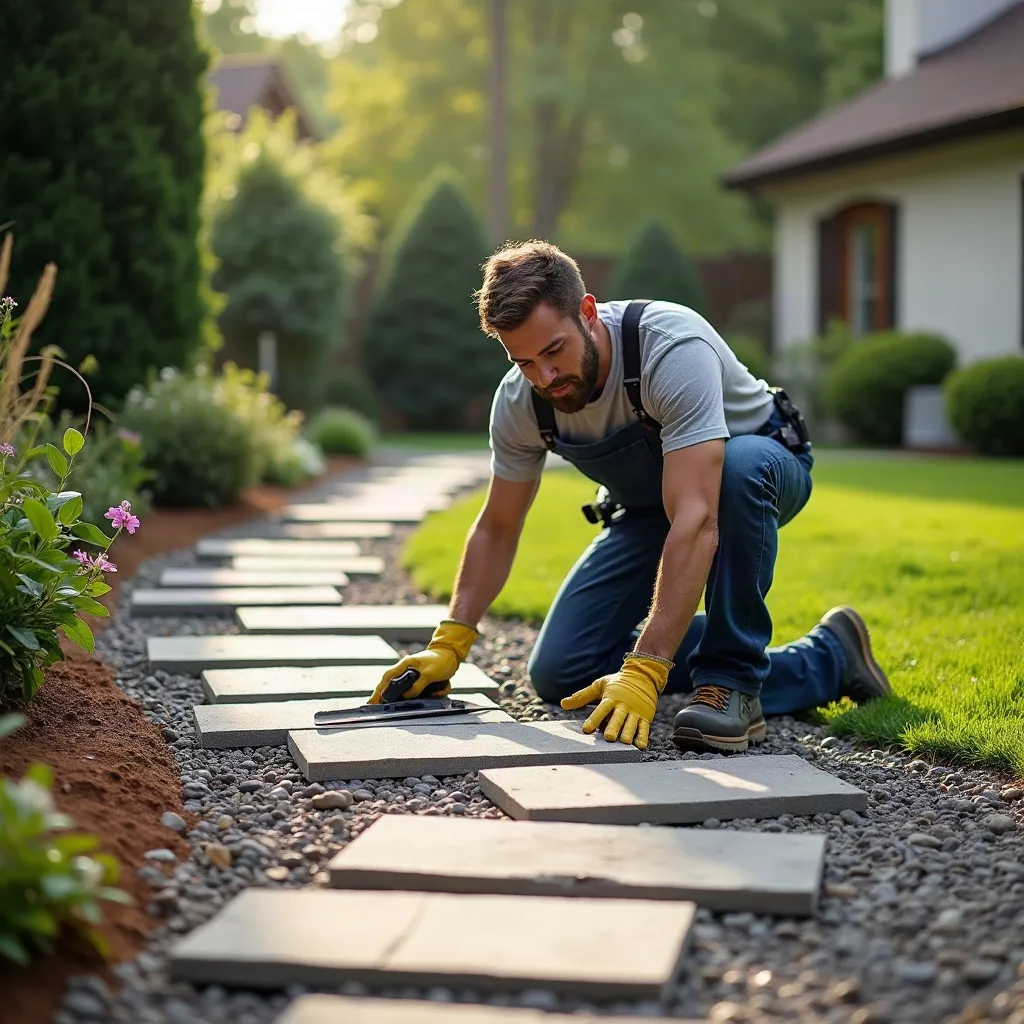
A selection of well-designed walkways and patios can greatly enhance yard functionality and aesthetics. These hardscape features serve as important connectors between multiple areas of a home's outdoor area, delivering clear direction while defining zones for rest and entertainment. Patios create welcoming zones for outdoor gatherings, equipped to hold seating and social activities. Pathways, crafted from options like stone, brick, or concrete, guide people flow but also lend to the overall design theme of the landscape. Incorporating curves and varying dimensions can create visual character, rendering the outdoor area more attractive. When installed professionally, pathways and patios seamlessly integrate with the natural environment, boosting both functionality and visual beauty in any external environment.
Optimizing Water Drainage And Erosion
Improving outdoor areas goes beyond aesthetics; it further involves handling practical issues like drainage and erosion. Efficient landscaping includes hardscaping elements such as retaining walls, gravel pathways, and permeable pavements, which aid in managing water flow and lessening soil erosion. By strategically placing these features, homeowners can divert excess rainwater away from vulnerable spots, protecting the plants and structures.
In addition, integrating French drains or swales can markedly enhance drainage by directing water to target zones. These strategies not only avert related article damage but also strengthen the overall effectiveness and endurance of the landscape. Ultimately, professional landscaping services convey knowledge in implementing these structural methods, securing a resilient and balanced outdoor environment that sustains against the challenges of nature.
Seasonal Upkeep Suggestions for Your Grounds
Effective seasonal work is essential for preserving the splendor and condition of any outdoor setting. Homeowners should undertake specific tasks throughout the entire season to confirm their outdoor spaces thrive. In the spring months, the focus should be on eliminating dead matter, ventilating earth, and applying fertilizer to encourage growth. Summer maintenance includes frequent watering, protective ground covering, and pruning to promote healthy plant development while avoiding infection.
As autumn unfolds, it's imperative to sweep away fallen leaves, ready garden beds for the cold months, and introduce perennials for future blooms. Winter care could encompass guarding delicate plants via mulch or fabric, maintaining proper drainage, and reviewing hardscapes for winter harm. By adhering to these seasonal care methods, property owners can fortify their outdoor spaces' endurance and aesthetic value, developing a thriving outdoor space all year.
Key Questions to Pose When Selecting a Landscaping Contractor?
When selecting a landscape company, what key questions should property owners think about to ensure they make an informed choice? First, they should inquire about the firm's skills and background in the particular landscaping style wanted. Understanding their design philosophy and past work can offer valuable insight.
Initially, homeowners should inquire regarding insurance and licensing credentials to confirm adherence to municipal requirements and protection against possible risks. A thorough quotation is crucial, so requesting a breakdown of costs will prevent unexpected expenses.
Asking about the timeline for project completion and maintenance options is also fundamental, as it affects lasting contentment. Additionally, homeowners should explore the types of materials and plants the company employs, confirming they align with personal preferences and environmental sustainability. Finally, reading reviews and requesting recommendations can offer reassurance about the service's reliability and quality.
Regularly Asked Questions About Our Products
How Much Will Skilled Landscaping Generally Cost You?
Outdoor design services generally expense between $50 to $150 per hour, contingent on the intricacy of the project and location. Homeowners must factor in supplementary costs for materials, design services, and perpetual upkeep when setting aside money for landscaping services.
How much time should you anticipate a landscaping project to last?
A landscaping job spans a few days up to several weeks in timeframe, influenced by the range of work, area magnitude, and design intricacy, with sizable projects necessitating extra time for achievement.
Does Outdoor Improvement Improve My Real Estate Value?
Landscaping can significantly enhance home worth by elevating street presence, building inviting outdoor spaces, and improving visual quality. Well-maintained planted spaces and deliberate layout often draw future homeowners, rendering highly sought after in the real estate market.
What Licenses Are Needed for Landscaping Work?
Landscaping projects often require various permits, based on local requirements. Common permits include those for tree removal, adding structures, and modifying drainage. Homeowners should contact local authorities to guarantee compliance with zoning laws and environmental guidelines.
In What Way Do Weather Conditions Determine Landscaping Choices?
Weather patterns considerably influence landscaping choices, as rainfall, temperature, and sunlight affect plant picking, soil preparation, and maintenance techniques. Modifying designs to local climate secures sustainability, growth, and overall aesthetic appeal in outdoor spaces.